
When purchasing a tent, it is easy to focus on the price, size, or appearance. However, a good tent is much more than a beautiful covering. The right tent should be strong, durable, weather-resistant, safe, comfortable, and suitable for the environment in which it will be used.
For customers in Uganda and across East Africa, choosing the right tent is particularly important. Our climate can bring intense sunshine, heavy rainfall, strong winds, dust, and changing weather conditions. Whether you need a tent for a wedding, corporate event, church function, graduation, party, outdoor gathering, or long-term commercial use, quality should always come first.
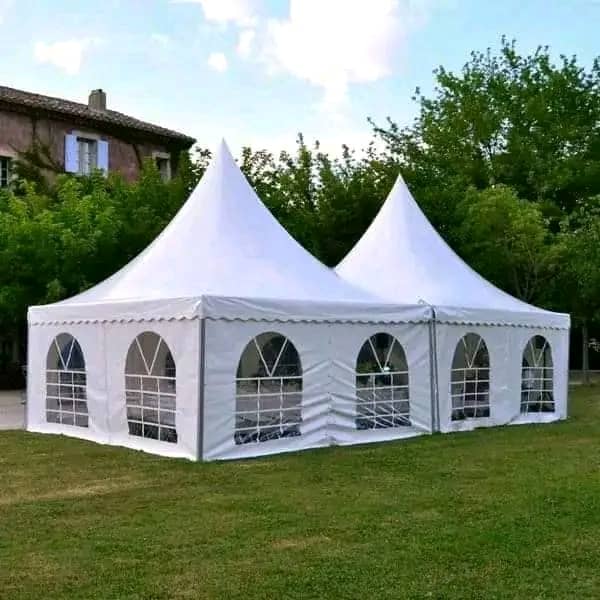
At Legit Tent Manufacturers, we believe customers should understand what they are purchasing before making an investment.
Here are the key qualities to consider when choosing a good tent.
1. Strong and Durable Structure
The structure is the backbone of a tent.
A quality tent should have a strong frame capable of supporting the tent fabric and withstanding normal outdoor conditions. Pay attention to the material, thickness, construction, joints, connections, and overall stability of the frame.
A tent may look attractive when newly installed, but its real quality becomes apparent after repeated use.
Before purchasing, ask:
- What material is used for the frame?
- How strong are the poles and supporting structures?
- Are the joints properly engineered?
- Can the tent be safely anchored?
- Is the structure designed for repeated installation and dismantling?
A strong structure can significantly extend the useful life of your tent.
2. Quality Tent Fabric
The fabric is one of the most important components of a tent.
A good tent should use durable, high-quality material that is appropriate for outdoor conditions. The fabric should be able to withstand exposure to sunlight, rain, dust, and frequent handling.
For East African conditions, customers should consider:
- Water resistance
- UV resistance
- Tear resistance
- Ease of cleaning
- Resistance to mould and mildew
- Fabric thickness and overall quality
Do not judge fabric quality simply by its colour or appearance. Two tents can look almost identical while having significantly different fabric quality.
3. Excellent Waterproofing
Uganda and East Africa can experience sudden and heavy rainfall, particularly during rainy seasons.
A good tent should provide reliable protection against rain. However, waterproofing is not only about the fabric itself.
The entire tent system matters, including:
- Roof design
- Seams
- Stitching
- Connections
- Side panels
- Entry points
- Drainage around the tent
- Proper installation
Before buying, ask the manufacturer how the tent has been designed to handle rainfall and whether additional precautions are required during installation.
4. Proper Ventilation
A tent should protect you from the weather without becoming unbearably hot.
Good ventilation is particularly important in Uganda and other warm parts of East Africa.
Look for tents designed with appropriate openings, side curtains, ventilation sections, windows, or other features that allow air to circulate.
For weddings, conferences, churches and corporate events where many people may spend several hours inside the tent, ventilation can make a major difference to comfort.
5. Protection from the Sun
Strong sunlight can affect both the comfort of people inside the tent and the lifespan of the fabric.
A quality tent should provide adequate shade and use fabric suitable for outdoor exposure.
Ask the manufacturer about the fabric’s resistance to prolonged sunlight and how the tent should be maintained when it is used frequently outdoors.
6. Proper Size and Capacity
Bigger is not always better.
The right tent should be selected according to the number of people and the type of event.
Consider:
- Number of guests
- Seating arrangement
- Tables and chairs
- Stage requirements
- Dance floor
- Catering area
- Walkways
- Equipment
- Entrance and exit areas
For example, a tent designed for a wedding reception may require considerably more usable space than a tent intended for a simple seated meeting.
Before purchasing, discuss your intended use with the manufacturer rather than selecting a tent based only on the advertised number of people.
7. Stability and Proper Anchoring
Even an excellent tent can become unsafe if it is poorly installed or anchored.
A good tent should have an appropriate anchoring system for the location and ground conditions.
The installation team should consider factors such as:
- Soil conditions
- Wind exposure
- Ground level
- Tent size
- Expected weather
- Anchoring points
Never underestimate the importance of professional installation, especially for large event tents.
8. Quality Stitching and Finishing
Look closely at the finishing of the tent.
Poor stitching, weak seams, loose threads, badly finished edges, and poorly fitted components can become problems over time.
A quality tent should demonstrate attention to detail throughout its construction.
When inspecting a tent before purchase, look at the seams, corners, attachment points, windows, doors, and areas where fabric connects to the frame.
9. Ease of Installation and Transportation
If you intend to use the tent for events, it may need to be transported and installed repeatedly.
Consider how easy it is to:
- Transport
- Assemble
- Dismantle
- Store
- Clean
- Repair
- Reinstall
A practical tent should fit your operational needs, especially if you operate an events, rental, hospitality, church, school, or corporate business.
10. Availability of Spare Parts and Repairs
This is an often-overlooked consideration when buying a tent.
Ask what happens if a frame component, connector, curtain, fabric section, or other part becomes damaged.
Can the manufacturer provide replacement parts?
Can the tent be repaired locally?
How long will repairs normally take?
Choosing a manufacturer that can provide ongoing support can save you significant costs and inconvenience in the future.
11. Warranty and After-Sales Support
A manufacturer that stands behind its products should be able to clearly explain its warranty and after-sales service.
Before purchasing, ask:
- What does the warranty cover?
- How long does it last?
- What is excluded?
- Who handles repairs?
- Are replacement components available?
- What maintenance is recommended?
Do not purchase based on a warranty claim alone. Make sure you understand the actual terms and conditions.
12. Consider the Total Cost, Not Just the Purchase Price
One of the biggest mistakes customers make is choosing a tent simply because it is cheaper.
A lower initial price does not necessarily mean lower cost in the long run.
A cheaper tent may require:
- More frequent repairs
- Replacement fabric
- Replacement frame components
- More maintenance
- Earlier replacement
When comparing tents, consider value for money over the expected lifespan of the product, not just the price you pay on the day of purchase.
13. Choose a Manufacturer You Can Trust
The company behind the tent matters just as much as the tent itself.
Before purchasing, research the manufacturer.
Look for:
- Previous projects
- Customer reviews
- Completed installations
- Manufacturing experience
- Physical location
- Contact information
- After-sales service
- Warranty information
- Ability to provide custom solutions
If possible, visit the manufacturer or ask to see completed projects.
A reputable manufacturer should be willing to explain the materials, construction, installation requirements, maintenance and expected use of the tent.
Questions to Ask Before Buying a Tent
Before making your final decision, ask the manufacturer:
- What material is used for the frame?
- What type of fabric is used?
- Is the fabric waterproof or water-resistant?
- How does the tent perform under strong sunlight?
- How is the tent anchored?
- What is the recommended capacity?
- Can the tent be customised?
- Are spare parts available?
- Do you provide installation?
- What warranty is provided?
- What after-sales support is available?
- How should the tent be cleaned and stored?
A professional manufacturer should be able to give you clear answers.
The Right Tent Is an Investment
Whether you are purchasing one tent for a family event or several tents for a commercial tent-hire business, quality matters.
A good tent should provide strength, protection, comfort, durability, safety and value.
For customers in Uganda and across East Africa, the best choice is not necessarily the cheapest tent or the largest tent. It is the tent that is properly designed for your intended use, environment and budget.
At Legit Tent Manufacturers, we understand that every customer has different requirements. From events and weddings to churches, corporate functions and other outdoor applications, our goal is to provide professionally manufactured tent solutions designed around the customer’s needs.
Looking for a tent for your next event or business?
Contact Legit Tent Manufacturers to discuss your requirements, preferred size, design and application. Our team can help you identify a tent solution suitable for your needs.
Legit Tent Manufacturers — Building Quality. Creating Shelter. Supporting Your Events.